
Black Mold Removal in Ann Arbor, MI
Lab identification of Stachybotrys and other toxic molds, then removal under full containment with negative air so spores stay in the work area.
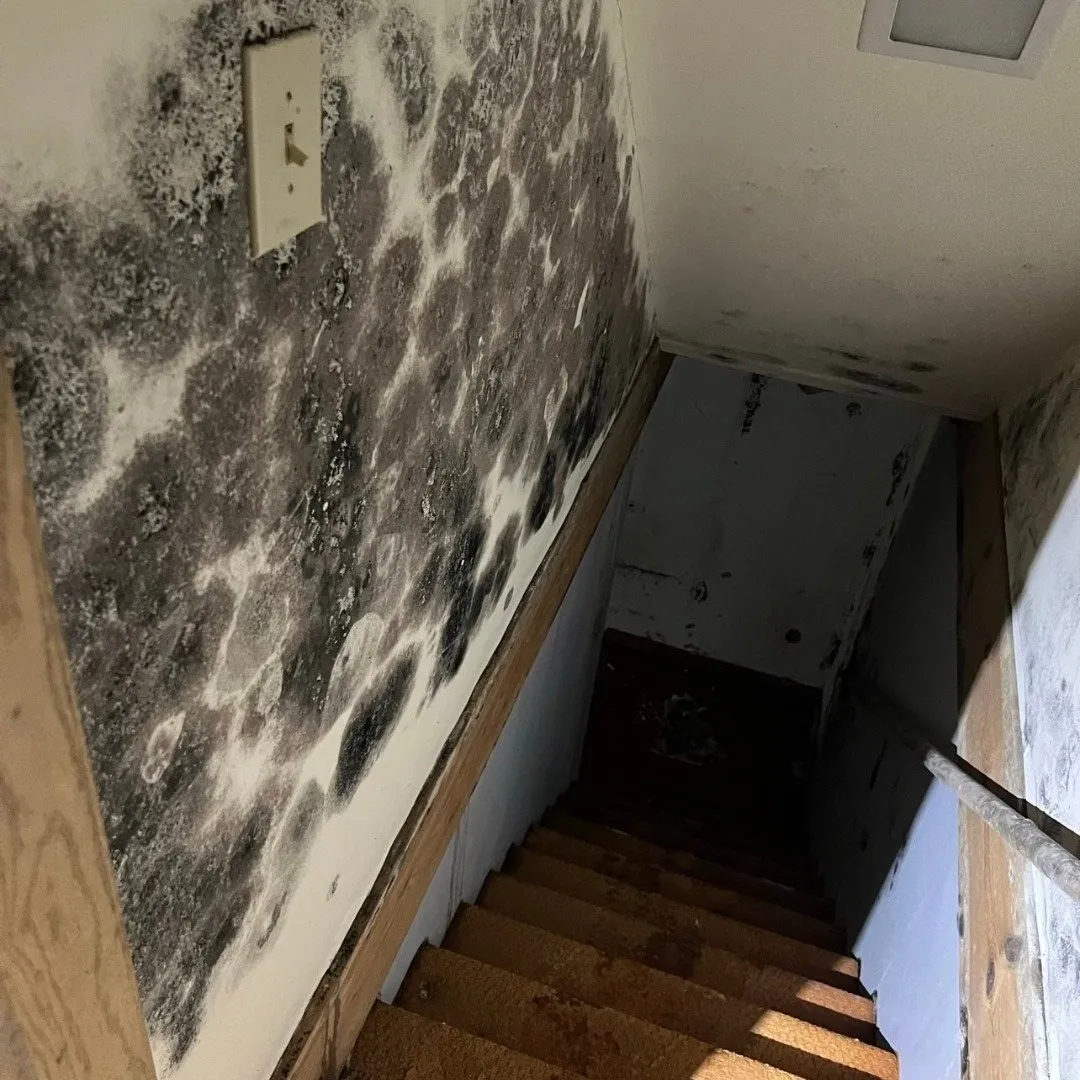
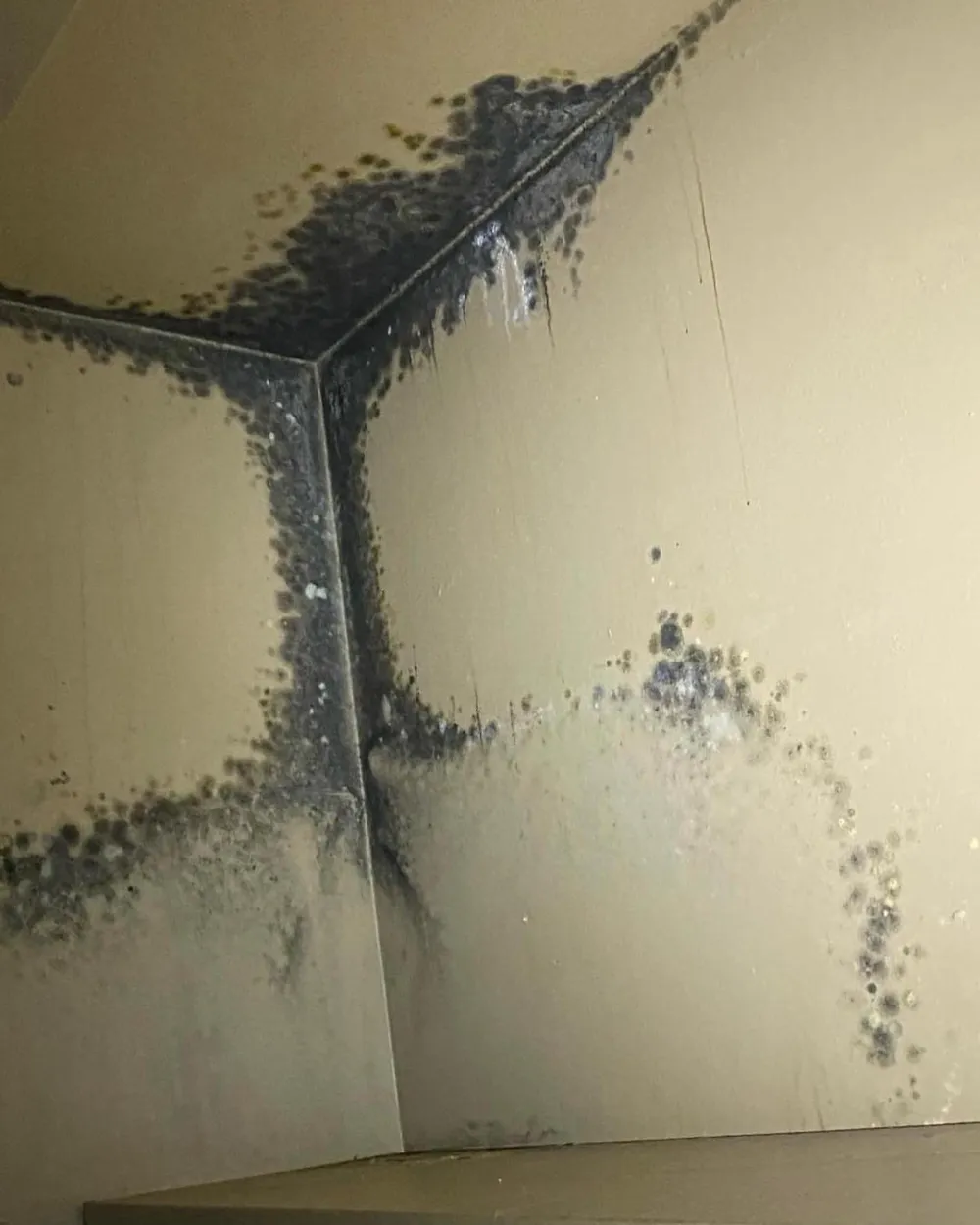
Is All Black Mold Toxic?
No. Plenty of molds look dark, and color alone does not tell you the species. The mold most people mean by black mold is Stachybotrys, a common toxic mold that needs extra caution to remove safely.
The way to know is a sample read under the microscope. Our in-house lab identifies the species and whether it is a type known to produce mycotoxins, so the removal plan matches what is actually on your wall. See mold testing for the sample types.
Where Does Black Mold Grow?
Stachybotrys likes material that stays wet for a long time and has cellulose to feed on: drywall paper, ceiling tiles, wood and cardboard. It often turns up in:
- Basement stairwells and finished basement walls after water problems
- Behind bathroom tile and under leaking sinks
- Ceilings below roof or plumbing leaks
- Boxes and stored items in damp storage rooms
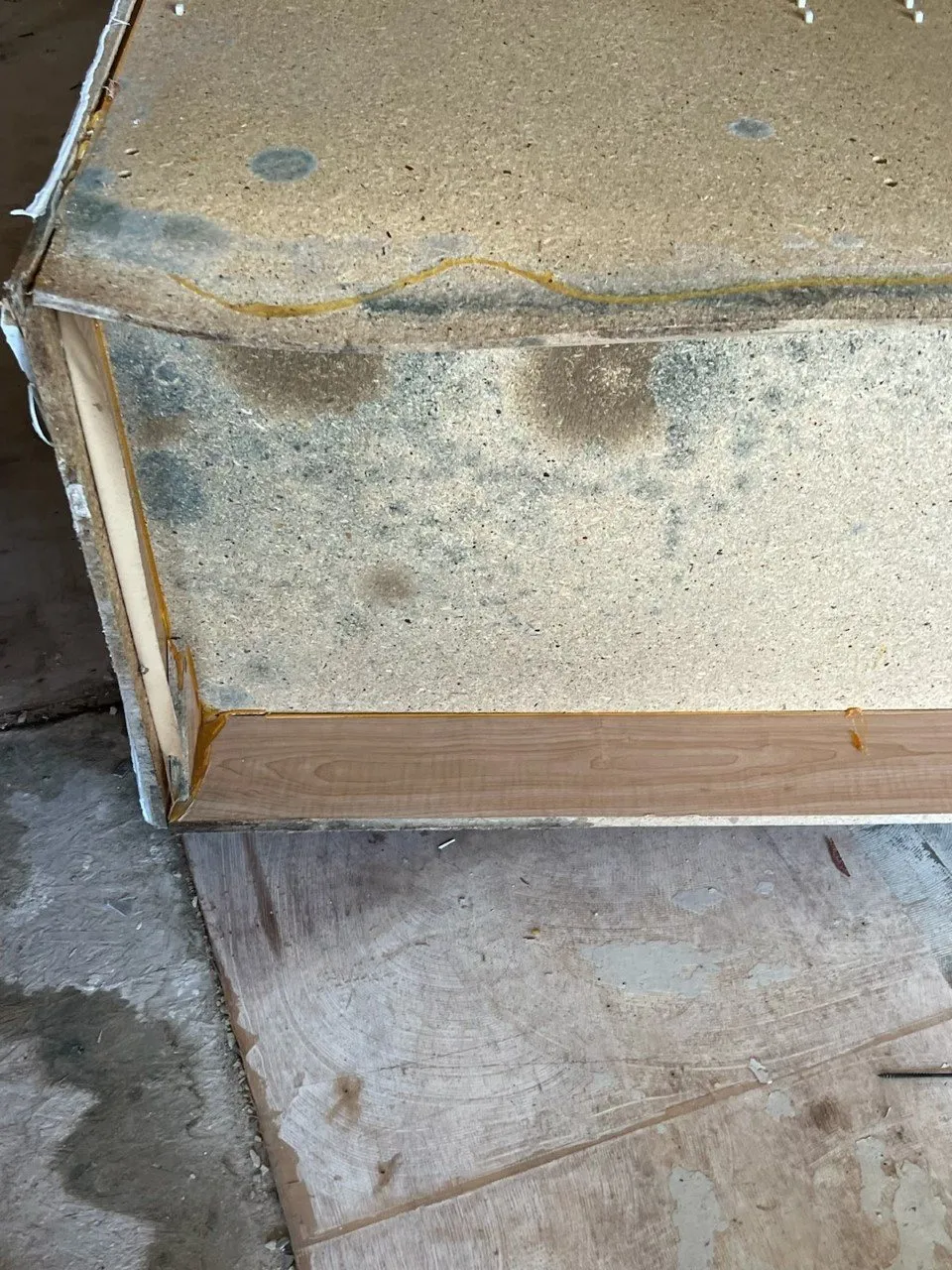
How Is Black Mold Removed Safely?
Toxic species get the full containment treatment: sealed work areas, decontamination chambers and negative air pressure so spores are pulled into filtration instead of drifting into the rest of the house. Our crew works in protective gear, contaminated materials are bagged inside the containment, and the area is HEPA vacuumed and air scrubbed before anything comes down.
The moisture source gets fixed as part of the job. Otherwise the same mold grows back on the new drywall.
Should You Scrub Black Mold Off a Wall?
Please do not. Scrubbing, sanding or spraying bleach on a moldy wall throws spores into the air and pushes moisture deeper into porous materials. If you find a patch, keep people and pets away, close the door, and call us for an inspection.
When the work is done, post-remediation verification confirms the area is clean before you move back in.
Black Mold Removal FAQ
How can I tell if it is black mold?
You cannot tell by looking. A swab, tape lift or air sample read under the microscope identifies the species.
Do I need to leave my home if I have black mold?
Rarely. Stay out of the affected area and keep it closed off. We will tell you after the inspection if anything more is needed.
What are mycotoxins?
Toxic compounds some molds produce, Stachybotrys among them. They are one reason toxic species are removed under full containment.
Other Mold Services
Mold Testing
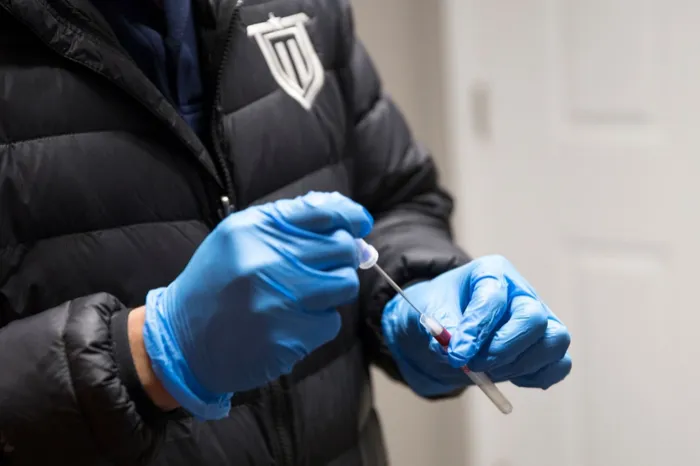
Air, surface and bulk mold sampling for homes and businesses, read under the microscope by our own lab technician so you know the species and the spore levels.
Learn more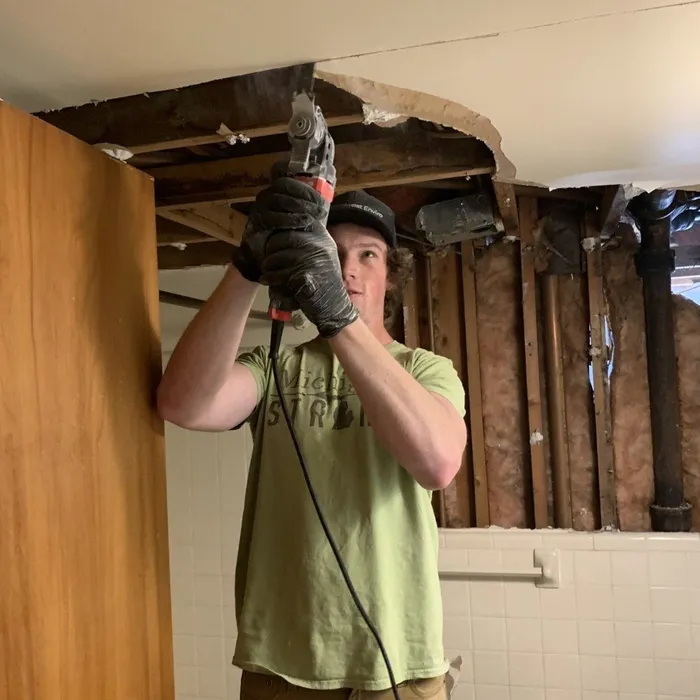
Mold Removal
Mold removal for basements, bathrooms, attics and wall cavities, with contaminated material cut out under containment and every surface HEPA cleaned.
Learn more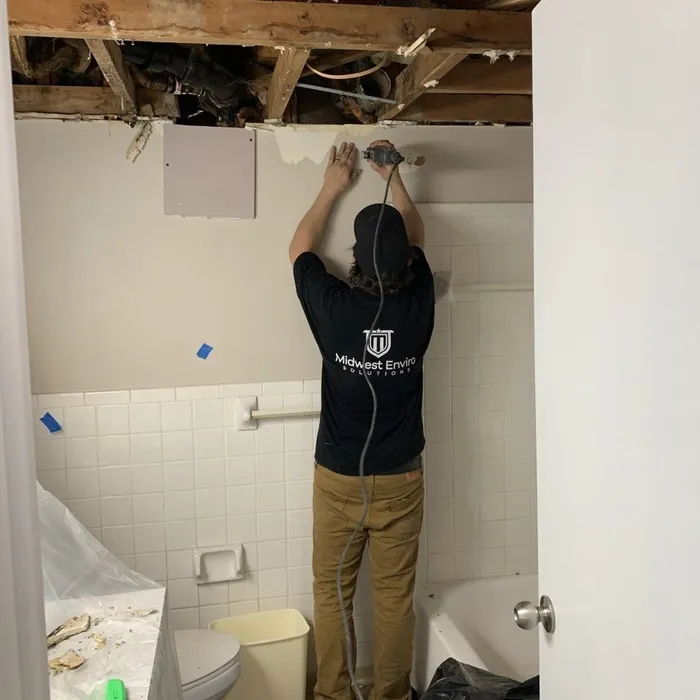
Mold Remediation
Containment, removal and cleanup that follow industry guidelines, starting with the moisture problem that let the mold grow in the first place.
Learn moreWhat Our Customers Say
 Find Us on Google
Contact Us
Tell us what you are seeing and where, and we will get back to you to set up a visit.