
Mold Remediation Services in Ann Arbor, MI
Containment, removal and cleanup that follow industry guidelines, starting with the moisture problem that let the mold grow in the first place.
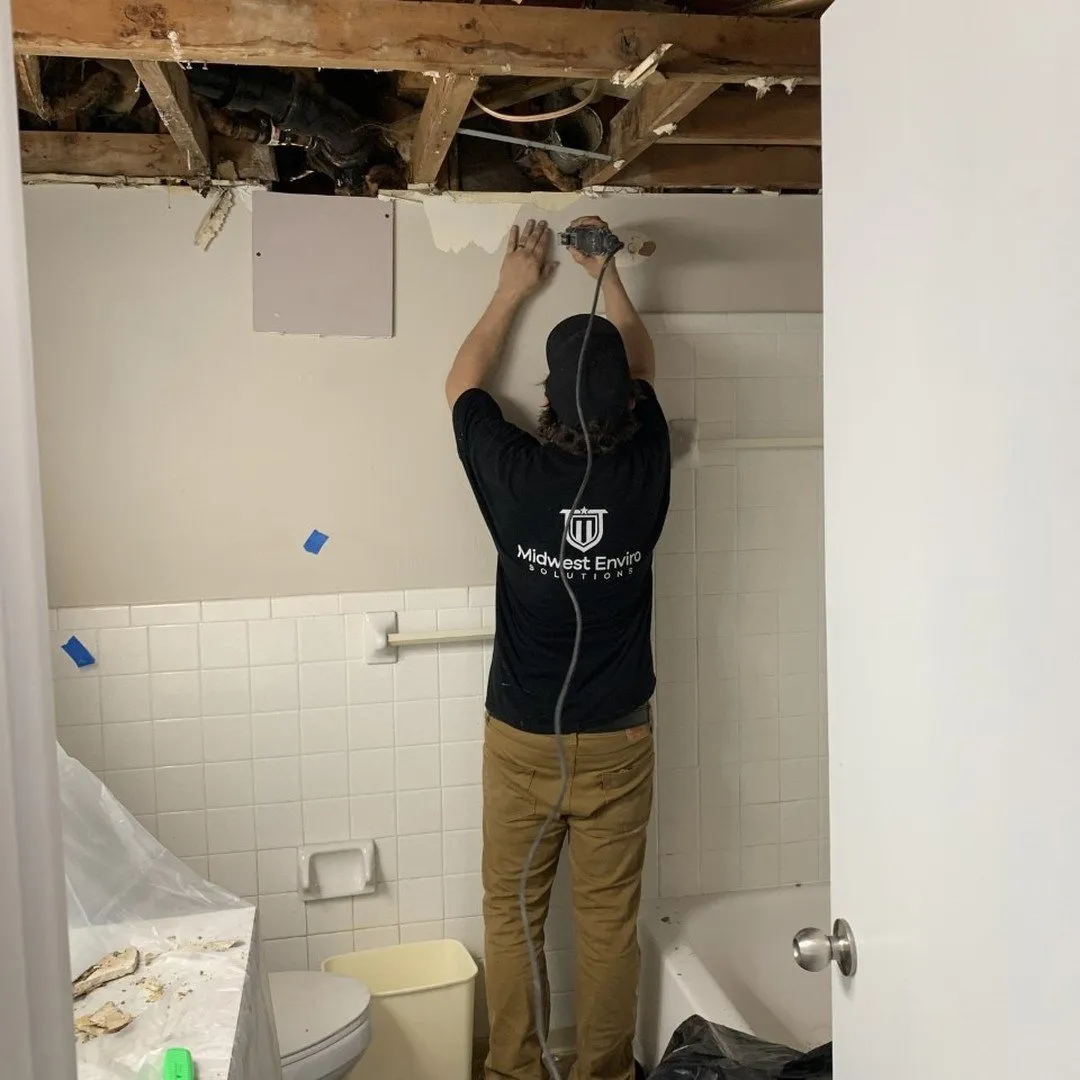
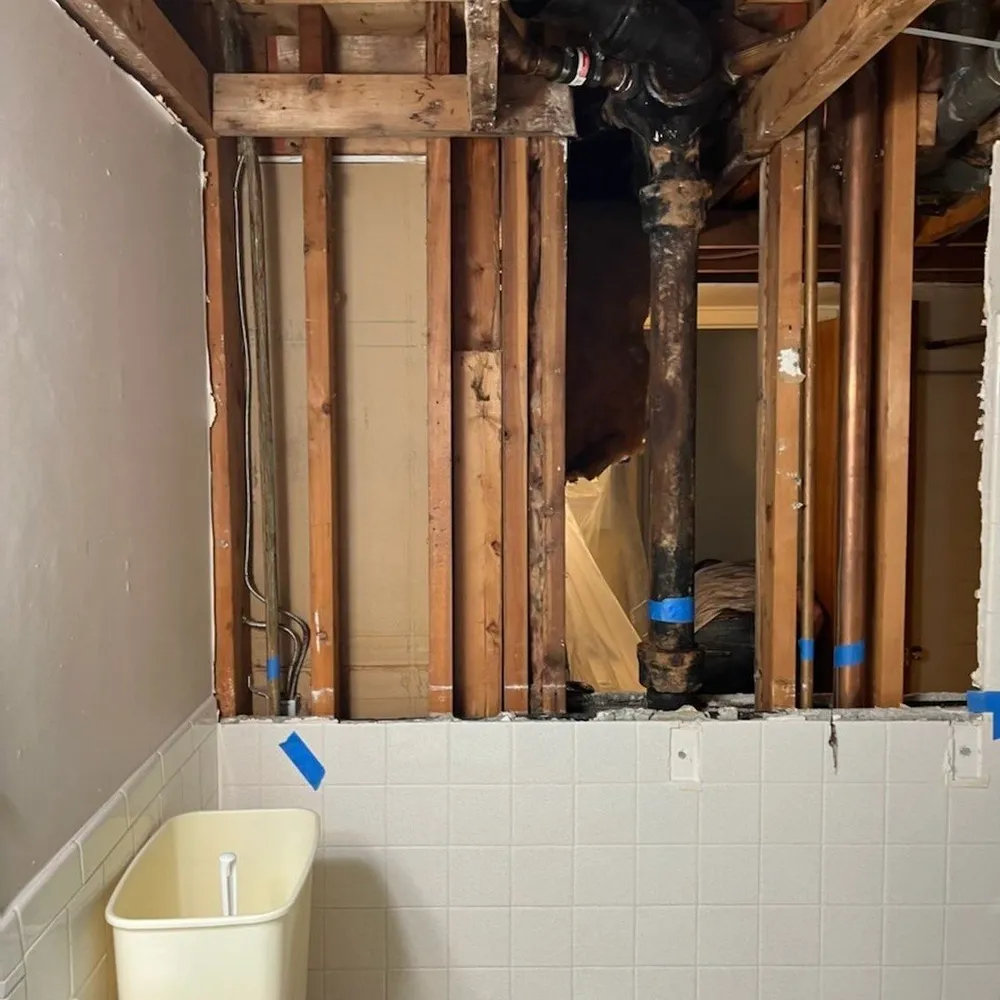
What Is Mold Remediation?
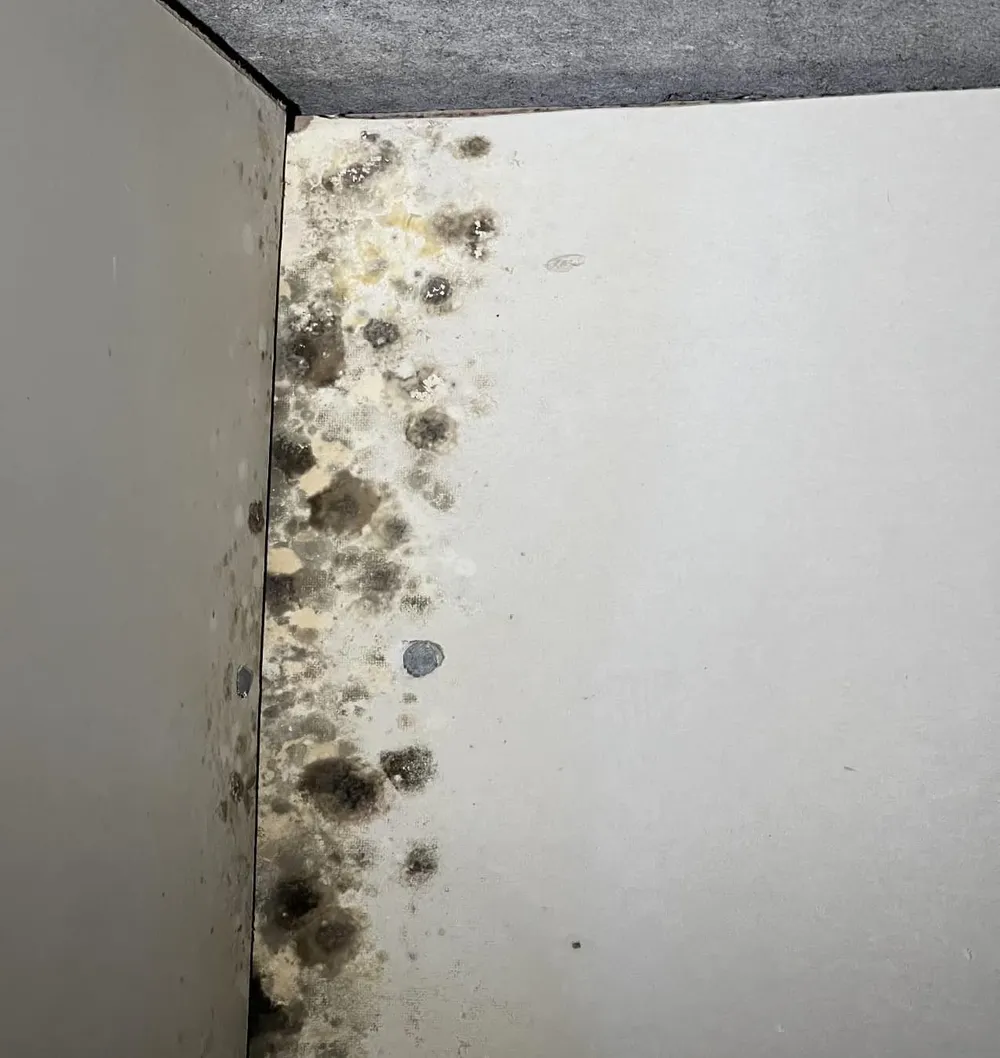
Mold needs a spore, something to feed on, moisture and the right temperature. You cannot remove every spore from a building, but you can take away the moisture. Remediation corrects the water problem, then removes the moldy and contaminated materials so people are not exposed and the building stops getting damaged.
Left alone, mold keeps eating into building materials and furnishings. In a wood-framed house it can weaken floors and walls as it feeds on damp framing.
What Are the Steps of Mold Remediation?
This is the sequence we follow once an inspection shows remediation is needed:
Assess the damage
Find where it started and how far it has spread.
Fix the source
Track down the leak, seepage or humidity problem and get it corrected.
Write the plan
A remediation plan for your space, so you know what gets removed and why.
Contain the area
Plastic containment, decontamination chambers and negative air keep spores from traveling.
Remove the mold
Contaminated materials come out and are bagged inside the containment.
Clean the air and surfaces
HEPA vacuuming, surface cleaning and air scrubbing.
Verify
Post-remediation verification confirms the space is clean.
Can You Stay Home During Mold Remediation?
Rarely do you need to move out. We seal off the work area with plastic and tape, and you may lose access to that part of the house until we finish. We work around your furniture and living space as much as we can.
The average project takes about three days. Bigger jobs take longer.
Can You Remove Mold Yourself?
We do not recommend it. Mold removed without containment spreads spores into the rest of the house, and the cross-contamination can turn a small problem into an expensive one. A handyman should only take it on with specialized mold training.
Bleach is not the answer either. It can kill small amounts of mold on hard surfaces like tile and glass, but on wood, drywall and concrete it mostly changes the color. The chlorine evaporates, the water soaks in, and the roots left behind have more moisture to grow on.
Do You Handle Commercial Mold Remediation?
Yes. We handle residential and commercial remediation, from a single bathroom ceiling to apartment buildings and offices. We use EPA-registered products, and we provide documentation you can keep for your records, your insurance company or a real estate transaction.
Qualified homeowners can also finance eligible projects through Hearth.
Mold Remediation FAQ
How much does mold remediation cost?
It depends on the size and scope of the work. We give you a written estimate after we have seen the problem, and we encourage you to compare it with other companies.
How long does mold remediation take?
The average project takes about three days.
Does insurance cover mold remediation?
Many insurers treat mold as a maintenance issue. Coverage is more likely when a covered event caused it, such as a burst pipe or a sump pump failure. We will tell you what we see.
Do I need a mold test before remediation?
Not always. If the growth is visible and the cause is clear, an inspection can be enough. Testing helps when the mold is hidden or the species matters.
Other Mold Services
Mold Removal
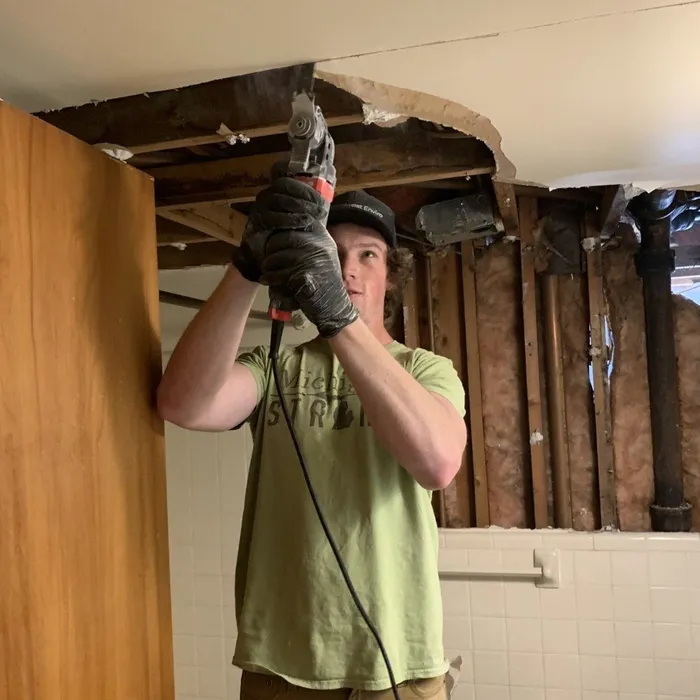
Mold removal for basements, bathrooms, attics and wall cavities, with contaminated material cut out under containment and every surface HEPA cleaned.
Learn more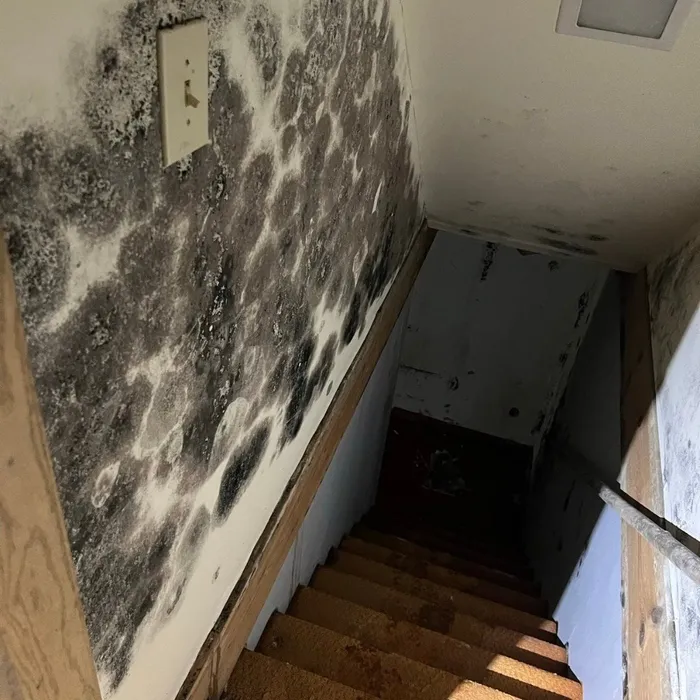
Black Mold Removal
Lab identification of Stachybotrys and other toxic molds, then removal under full containment with negative air so spores stay in the work area.
Learn more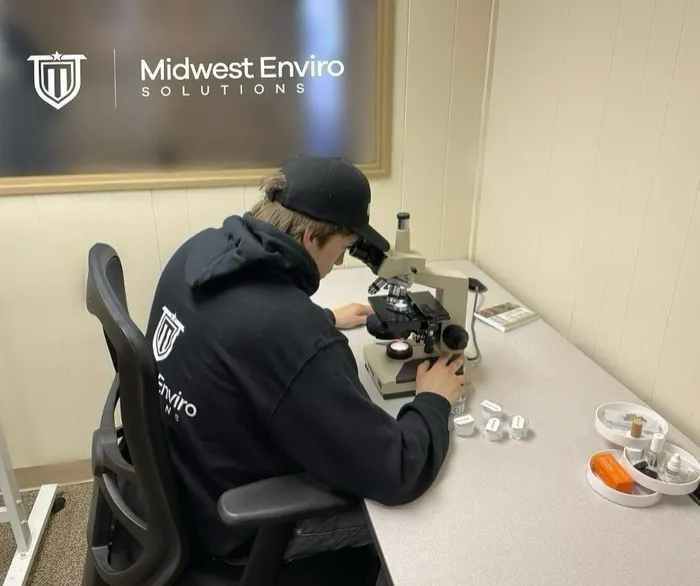
Post-Remediation Verification
Surface and air sampling after mold remediation to confirm the cleanup worked, with written results for your records, insurer or home sale.
Learn moreWhat Our Customers Say
 Find Us on Google
Contact Us
Tell us what you are seeing and where, and we will get back to you to set up a visit.