
Mold Testing in Ann Arbor, MI
Air, surface and bulk mold sampling for homes and businesses, read under the microscope by our own lab technician so you know the species and the spore levels.
When Should You Get a Mold Test?
A test makes sense when something tells you mold is there but you cannot point to it, or when you need proof one way or the other. These are common reasons to test:
- A musty smell that will not go away, even though the house looks clean
- Allergy symptoms that get worse indoors and ease up when you leave
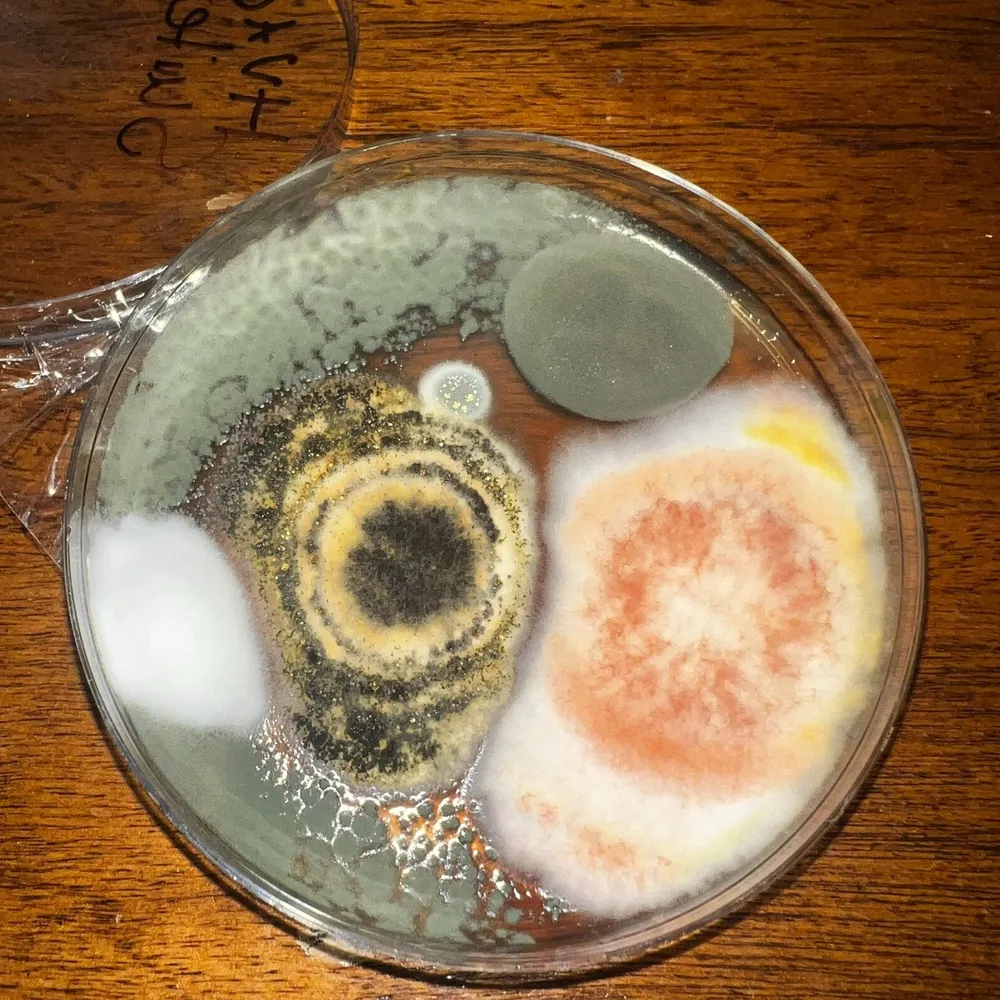
- Visible growth, and you want to know what species it is
- You are selling or buying a home and want results in writing
- Remediation just finished and you want proof the air is back to normal
What Types of Mold Tests Are There?
We pick the sample type based on what you are trying to find out. One visit can use more than one.
Mold air testing
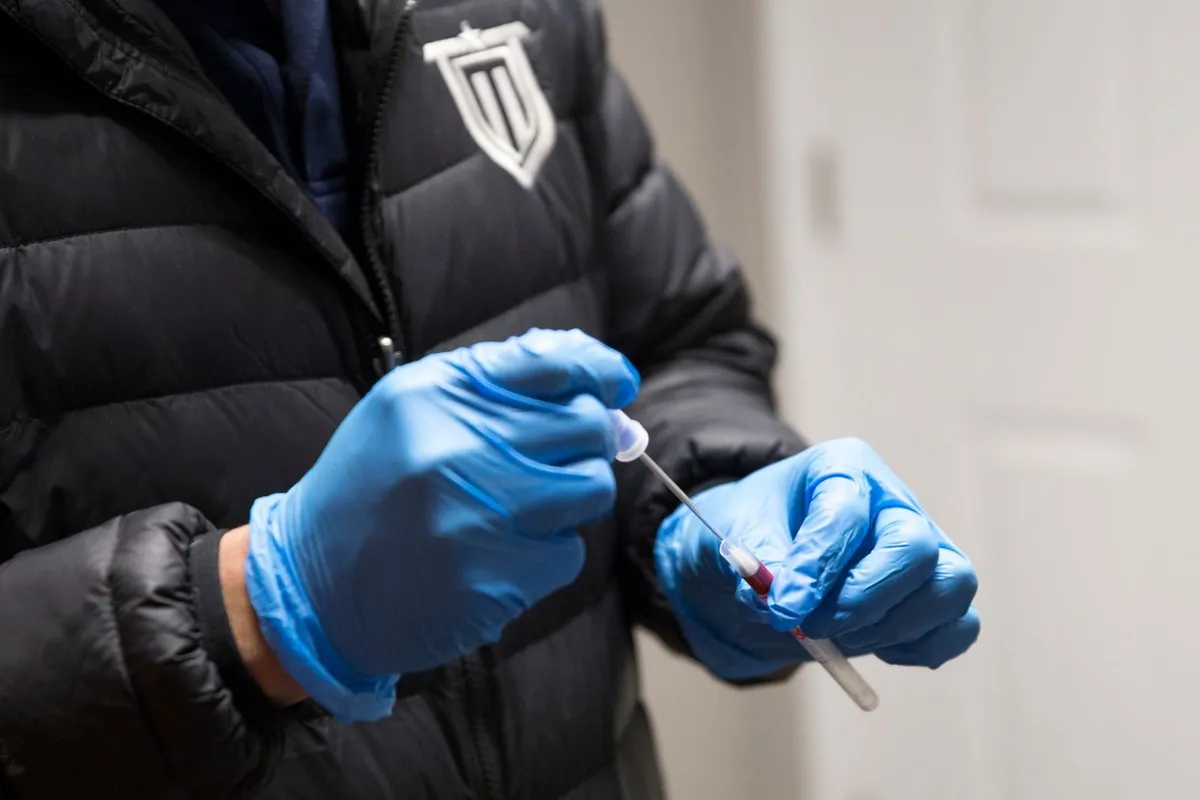
We pull air through a sampling cassette inside the building and again outside, then compare spore counts. Indoor levels well above the outdoor sample point to a hidden source, even with nothing visible.
Swab and tape lift
A swab or a strip of tape lifts material off a stain, a wall or a piece of furniture. It tells us what is growing on that spot, though not how much is floating in the air.
Bulk material
A small piece of drywall, carpet or insulation with suspected growth goes to the lab. It confirms the problem and gives a sense of how deep it goes into the material.
Who Reads Your Mold Samples?
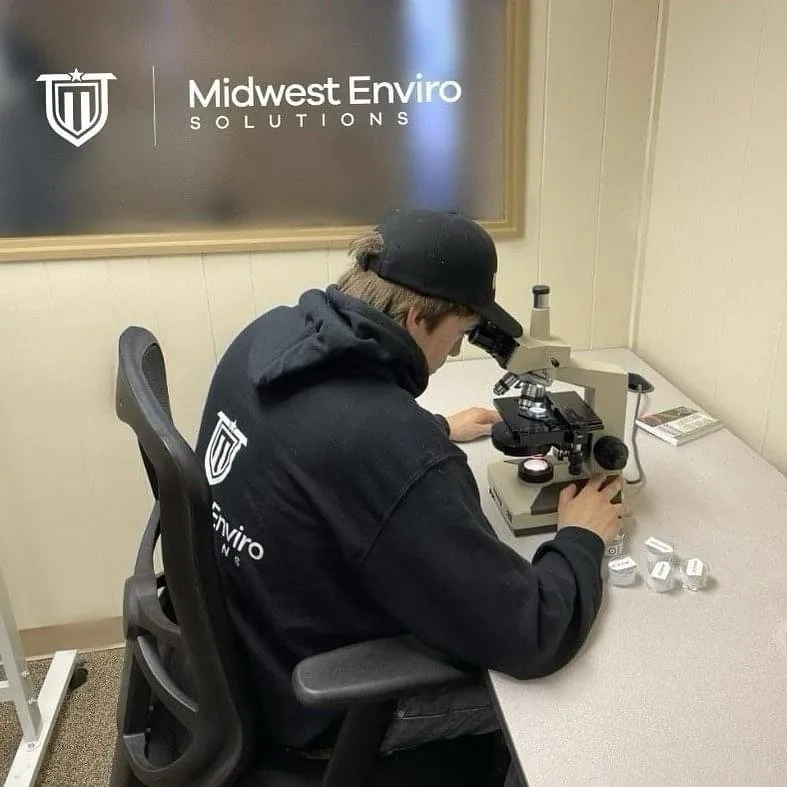
Our samples are read in-house by Zachery Allen, our laboratory technician. Zach trained in microscopy and fungal spore identification at the McCrone Research Institute and is certified in mold assessment and VOC assessment. Reading our own slides means the person explaining your results is on the same team that took the samples.
Species matters. Some molds call for extra caution during removal, and Stachybotrys, the well known black mold, is one of them. We also take special care with instrument calibration and sample handling, because a bad sample is worse than no sample.
Do You Need an Inspection Before Testing?
Often, yes. A mold inspection looks for visible growth, moisture problems and the places mold tends to hide. When the growth is obvious and the cause is clear, the inspection alone can be enough to plan remediation.
Testing earns its keep when the mold is out of sight, when you suspect a toxic species, or when someone needs numbers on paper: a buyer, a landlord, a doctor or an insurance adjuster.
Can You Test for Mold Without a Site Visit?
For a single spot, we offer a mail-in mold lift sample kit. You follow the instructions to take the sample, mail it back in the prepaid envelope, and our lab sends a report that names what grew and whether it is a type known to produce mycotoxins.
It is a good first step for one stain in one room. It does not replace an air test or an inspection when the smell is everywhere or nobody can find the source. Call us and we will tell you which one fits.
Mold Testing FAQ
How long does a mold test appointment take?
Most visits run about an hour, depending on how many rooms and samples are involved.
Why do you take an outdoor air sample?
Mold spores are always in outdoor air. The outdoor sample is the baseline, and indoor counts are judged against it.
Can a test tell me if the mold is toxic?
It can identify the species, including molds known to produce mycotoxins, such as Stachybotrys. That tells you how carefully it needs to be handled.
Are store-bought mold test kits worth it?
Settle plates from the hardware store almost always grow something, because spores are everywhere. They rarely tell you whether your levels are a problem.
Other Mold Services
Mold Inspection
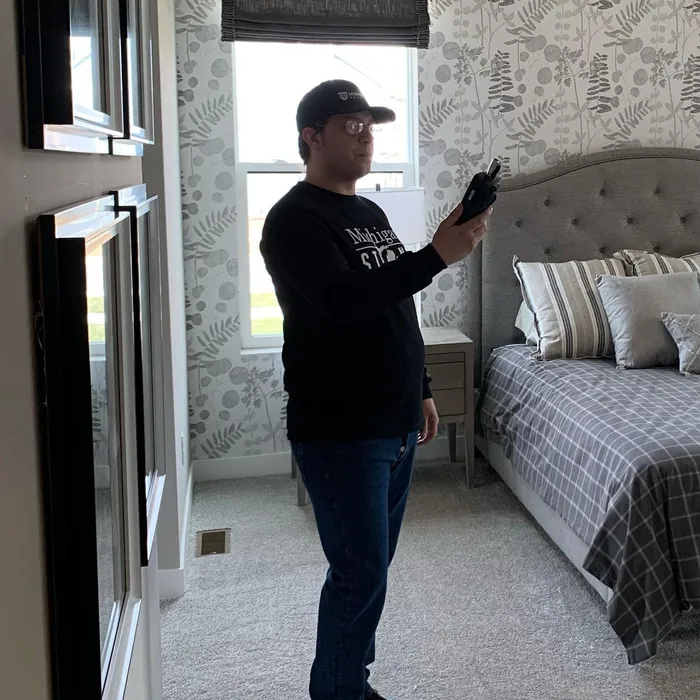
A walk-through by a certified inspector who looks for growth, moisture sources and hidden mold, then tells you plainly whether remediation is needed.
Learn more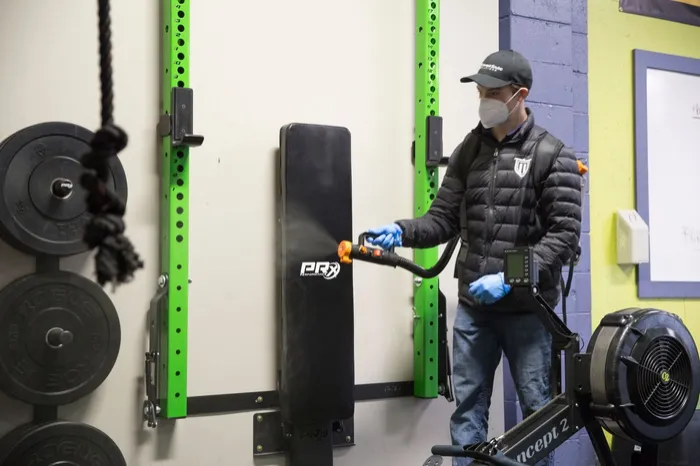
Indoor Air Quality Testing
Air quality and mold sampling for homes and workplaces that pinpoint what is in the air, from mold spores to dust, gases and chemicals.
Learn more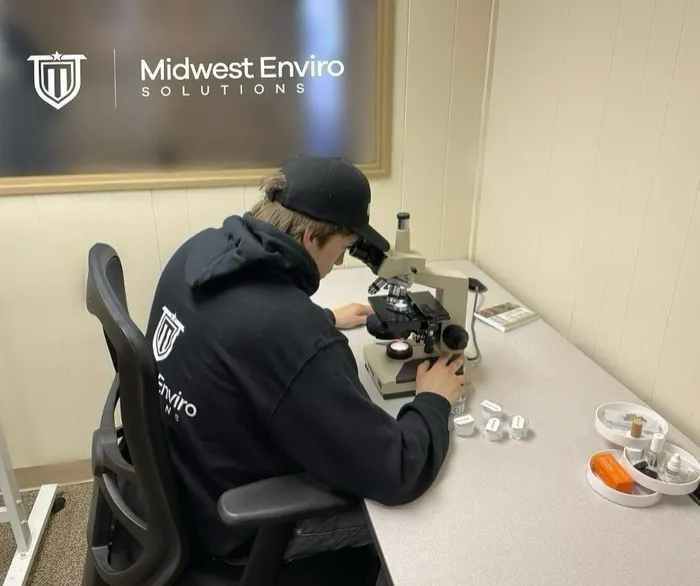
Post-Remediation Verification
Surface and air sampling after mold remediation to confirm the cleanup worked, with written results for your records, insurer or home sale.
Learn moreWhat Our Customers Say
 Find Us on Google
Contact Us
Tell us what you are seeing and where, and we will get back to you to set up a visit.